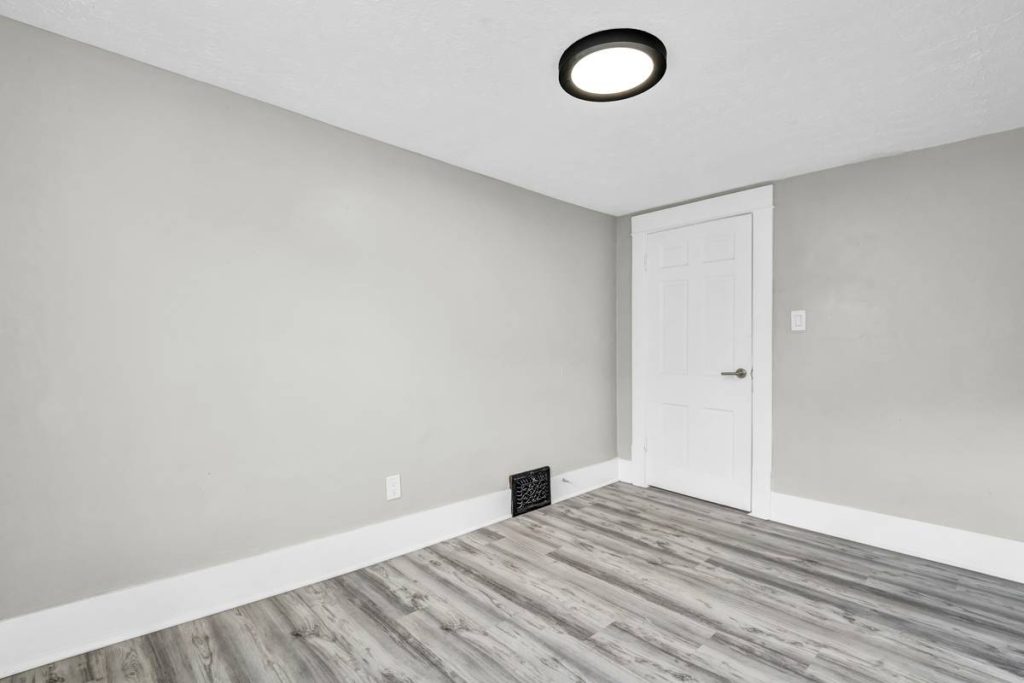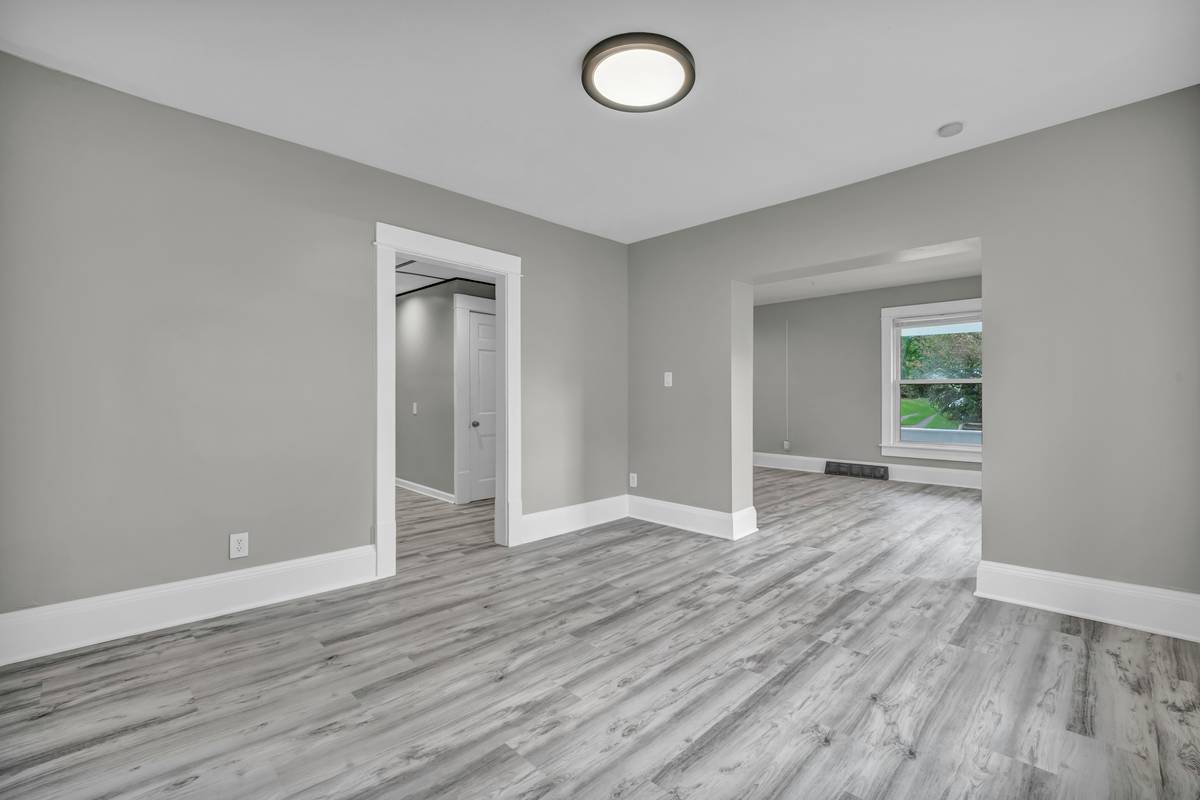
Ever stood barefoot on a cold, cracked tile floor at 6 a.m., wincing while trying to fix a stubborn vinyl seam with duct tape? Yeah — I’ve been there. Not as a contractor, but as the DIYer who bought cheap flooring vinyl sheet flooring online, skipped subfloor prep, and watched the edges curl like a disappointed cat’s tail within three months. That mistake cost me $387 in rework, two weekends, and my dignity. If you’re weighing options for durable, budget-friendly floors in kitchens, basements, or rentals, flooring vinyl sheet flooring isn’t outdated — it’s quietly evolved. This guide cuts through marketing fluff and tells you exactly how to install, maintain, and maximize value from modern sheet vinyl — no guesswork, no jargon dumps, just what works.
Table of Contents
- Why Flooring Vinyl Sheet Flooring Still Matters in Home Improvement
- How to Install Flooring Vinyl Sheet Flooring (Step-by-Step)
- 5 Real-World Tips for Long-Lasting Sheet Vinyl Floors
- Case Study: A 2023 Basement Renovation Saved $1,200 Using Sheet Vinyl
- FAQs About Vinyl Sheet Flooring
Why Flooring Vinyl Sheet Flooring Still Matters in Home Improvement
In an era obsessed with luxury vinyl plank (LVP) and hardwood veneers, why talk about sheet vinyl? Because affordability isn’t just about upfront cost — it’s about total lifecycle value. According to the U.S. Department of Housing and Urban Development (HUD), nearly 42% of U.S. rental units built before 1980 still rely on resilient flooring solutions that tolerate moisture, heavy foot traffic, and tight budgets. Sheet vinyl delivers seamless coverage where grout lines would trap mold or trip hazards — think basement utility rooms, laundry spaces, and accessible bathrooms.
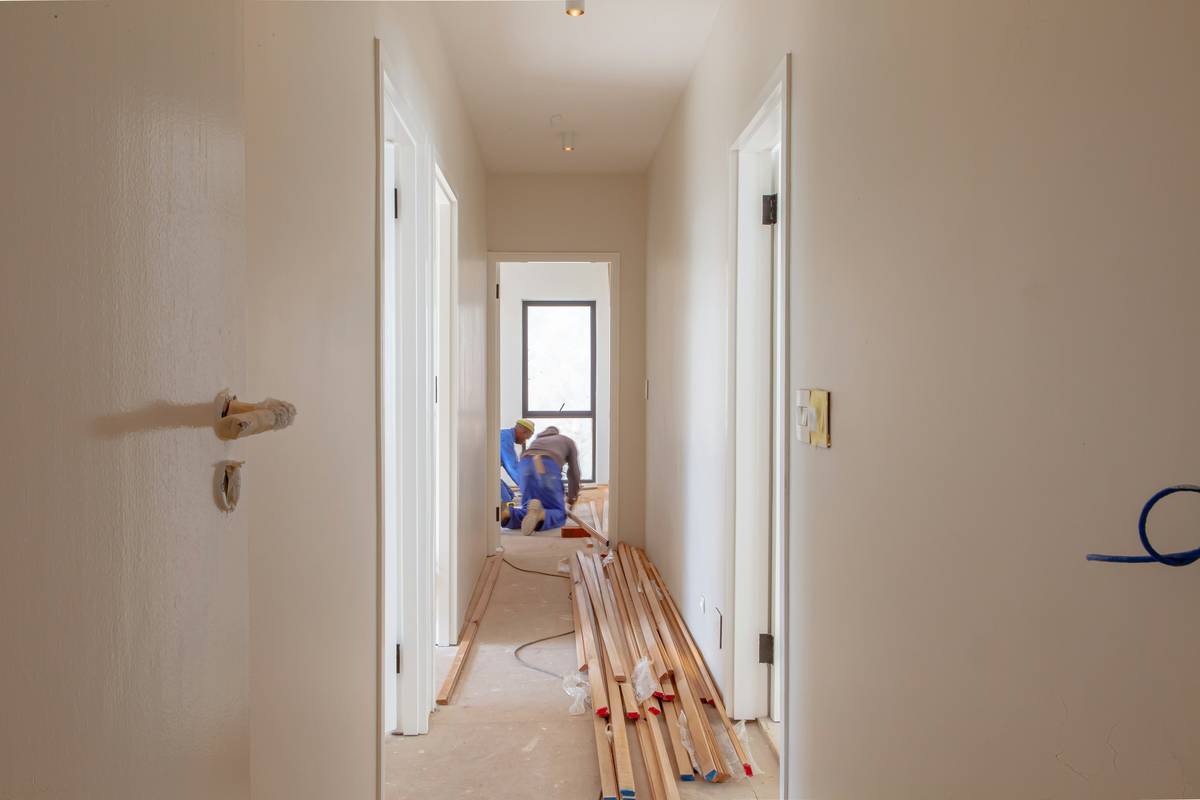
And contrary to myth, today’s commercial-grade sheet vinyl isn’t that shiny, hospital-grade stuff from the ’90s. Modern products use enhanced PVC blends with wear layers up to 20 mil thick — double the durability of entry-level sheet vinyl from 2010 (per data reported by the Resilient Floor Covering Institute). It’s not “second best.” It’s purpose-built for function-first spaces. Skip it only if your priority is rustic charm — not water resistance, ease of cleaning, or sub-$3/sq.ft. installed cost.
How to Install Flooring Vinyl Sheet Flooring (Step-by-Step)
1. Test & Prep Your Subfloor Relentlessly
Mold growth under flooring almost always traces back to moisture — not leaks, but trapped vapor. Use a calcium chloride test (per ASTM F1869) or digital moisture meter. Concrete must read <75% relative humidity. Patch cracks. Sand high spots. Vacuum *twice*. I once rushed this step — missed a pea-sized protrusion under my 12’x15’ sheet — and got a permanent blister near the fridge. Lesson learned.
2. Acclimate, Then Cut With Precision
Let the roll rest in the room for 48 hours. Unroll it gently. Measure twice. Cut *1 inch oversized* on all sides — never exact. Why? Walls aren’t plumb; floors aren’t level. That tiny buffer lets you seam-lock and trim cleanly with a straightedge and utility knife.
3. Use the Right Adhesive — And Spread It Correctly
Not all glue is equal. Avoid solvent-based adhesives unless you’re certified — they’re banned in 17 states for VOC emissions (EPA Indoor Air Quality guidelines). Opt for pressure-sensitive or urethane-based adhesives rated for your subfloor type. Spread with a notched trowel — 1/16” x 1/16” x 1/16” V-notch for concrete, 1/32” for plywood. Too little = lifting. Too much = oozing and staining.
5 Real-World Tips for Long-Lasting Sheet Vinyl Floors
- Tip #1: Never use rubber-backed mats — they permanently stain sheet vinyl. Opt for felt or non-staining polypropylene.
- Tip #2: Clean weekly with pH-neutral cleaner (like Bona Resilient Floor Cleaner). Avoid vinegar — its acidity degrades plasticizers over time.
- Tip #3: Rotate area rugs every 3 months. Sun-exposed spots fade faster, and uneven wear reveals seams.
- Tip #4: Place furniture pads *under every leg* — not just chairs. A 40-lb barstool concentrates 120 PSI on a single point.
- Tip #5: Seal seams annually with a vinyl seam sealer — especially in wet areas. It prevents edge lifting and microbial ingress.
Terrrible Tip We Hear Too Often: “Just staple the edges down in a garage.” Nope. Staples create pinhole leaks, tear the material during expansion/contraction, and violate ASTM F1913-21 installation standards. They’ll fail — and probably void your warranty.
Case Study: A 2023 Basement Renovation Saved $1,200 Using Sheet Vinyl
A homeowner in Columbus, OH, converted a 900-sq.ft. unfinished basement into a family recreation space. Their initial LVP quote: $4,850. With labor, adhesive, and transition pieces, it ballooned to $5,320. Switching to commercial-grade sheet vinyl — Armstrong Alterna Plus in “Slate Gray” — dropped material cost to $1.89/sq.ft. ($1,701 total) and cut installation time by 35% (no cutting planks, no tapping tools). Post-renovation, they reported zero seam separation after 14 months, even with daily treadmill use and two large dogs. Their ROI wasn’t just dollars — it was peace of mind knowing spills wouldn’t penetrate seams. You can learn more about our values and approach on our About Us page.
FAQs About Vinyl Sheet Flooring
What’s the difference between sheet vinyl and luxury vinyl tile (LVT)?
Sheet vinyl is a single, continuous piece — ideal for wet areas where seams must be sealed. LVT consists of individual tiles or planks, offering design flexibility but requiring meticulous seam management. For moisture-prone zones, sheet vinyl wins on reliability.
Can you install sheet vinyl over existing flooring?
Yes — *if* the existing surface is rigid, clean, dry, and level (≤1/8” variance over 10 ft). Never lay over cushioned vinyl, carpet pad, or loose tiles. Always verify local building codes — some municipalities require removal of asbestos-containing flooring pre-1980s (see EPA asbestos guidelines).
How long does sheet vinyl last?
Residential sheet vinyl lasts 10–20 years. Commercial-grade versions exceed 25 years — provided subfloor prep and maintenance meet manufacturer specs (e.g., Mannington’s 25-year warranty requires approved adhesive and humidity control).
Is sheet vinyl eco-friendly?
Modern formulations reduce phthalates and heavy metals. Look for FloorScore® or GREENGUARD Gold certification. Recycling remains limited, but companies like Shaw Industries now accept post-consumer sheet vinyl for reprocessing into new backing layers.
Do I need professional installation?
You *can* DIY, but missteps are costly. If your subfloor has dips >1/4”, you’ll need self-leveling compound — and that’s a skill unto itself. For rentals or multi-room installs, hiring a certified installer (check the National Wood Flooring Association directory) often pays for itself in avoided callbacks.
Still unsure whether flooring vinyl sheet flooring fits your project? Our team answers real questions — no scripts, no sales pitches. Reach out anytime at Contact Us. We also respect your privacy — read how we protect your data in our Privacy Policy.
Your floor shouldn’t whisper “cheap.” It should say “smart choice.”