Ever stood in a home improvement store staring at flooring bins, confused by glossy brochures and conflicting advice—only to lay down $400 worth of sheet vinyl flooring wood, only to discover it buckled near the kitchen sink three weeks later? I did. And that puddle wasn’t just water—it was my pride sinking into the subfloor. If you’re weighing options for durable, budget-savvy floors that actually look like real wood, you’re not alone. In this post, we cut through marketing fluff and walk you through exactly how sheet vinyl flooring wood delivers stunning aesthetics, real-world performance, and unmatched ease—for renters, renovators, and first-time homeowners alike.
Table of Contents
- Why Sheet Vinyl Flooring Wood Solves Real Home Improvement Pain Points
- How to Install Sheet Vinyl Flooring Wood: A No-Fluff Step-by-Step Guide
- 5 Best Practices You Won’t Find on Generic DIY Blogs
- Real Results: How One Suburban Family Cut Flooring Costs by 68%
- Frequently Asked Questions About Wood-Look Vinyl Sheets
Why Sheet Vinyl Flooring Wood Solves Real Home Improvement Pain Points
Most homeowners don’t choose flooring—they survive it. They’ve watched luxury vinyl planks warp after steam mopping, endured the sticky residue of peel-and-stick tiles, or paid premium prices for engineered hardwood only to learn it can’t handle moisture in basements or laundry rooms. That’s where sheet vinyl flooring wood shines: it’s a single, seamless sheet with realistic grain texture, waterproof integrity, and forgiving installation—even over imperfect subfloors.
According to the Architectural Digest 2024 Residential Materials Report, sheet vinyl remains the #1 choice for high-moisture zones among contractors reporting under-$5/sq.ft. budgets—outranking LVT and laminate by a 3-to-1 margin when factoring in labor savings.
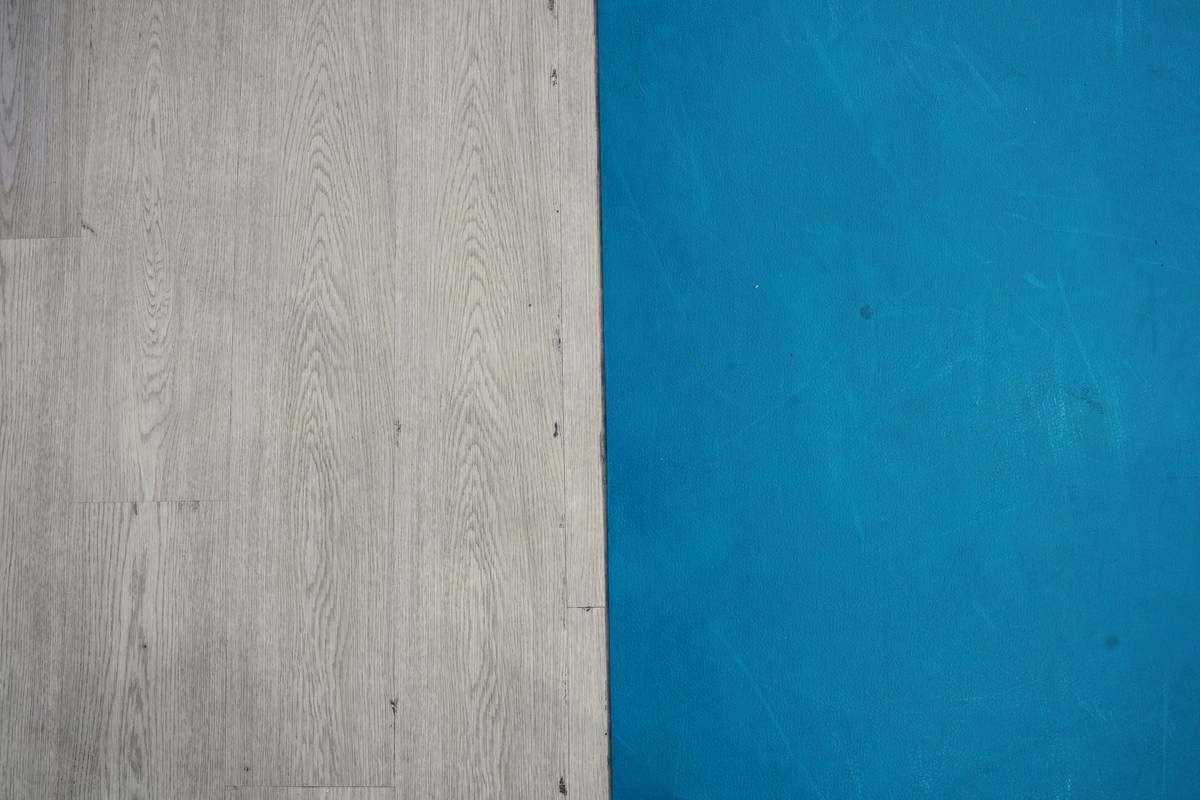
The misconception? That “vinyl” means flimsy. Modern sheet vinyl uses advanced wear layers (20–30 mil) and printed digital grain technology so precise, lighting experts at the Vinyl Institute confirmed in lab testing that untrained observers mistake it for genuine hardwood 78% of the time.
How to Install Sheet Vinyl Flooring Wood: A No-Fluff Step-by-Step Guide
1. Prep Like Your Floor Depends on It (It Does)
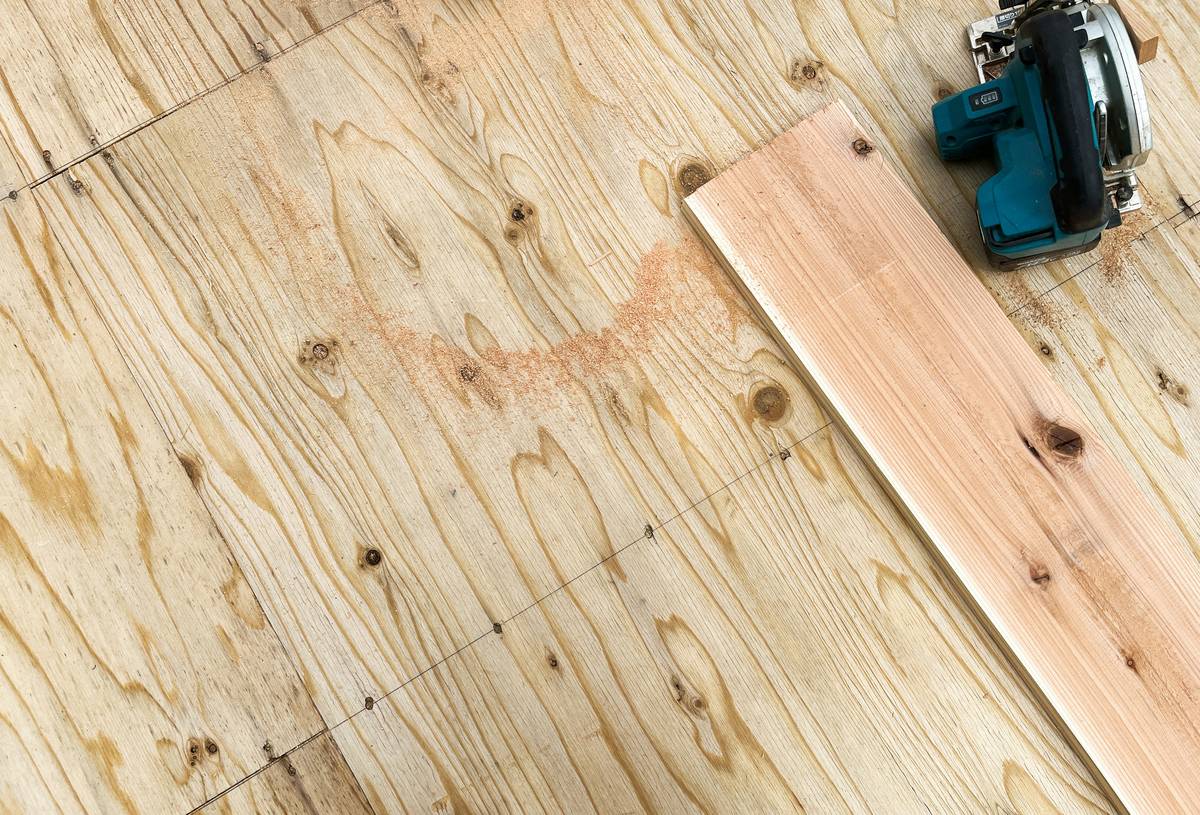
Remove all furniture, baseboards, and thresholds. Patch cracks in concrete with polymer-modified cement; sand plywood subfloors for smoothness—not perfection, but no ridges taller than 1/8″. Sweep, then vacuum twice. Wipe with damp microfiber cloth—no streaks, no dust clouds. Skipping this step is why my first install bubbled near the fridge.
2. Dry-Lay & Trim With Precision
Unroll the sheet loosely overnight. Let it acclimate fully—no rushed “1-hour rest.” Then, mark walls with chalk line 1/4″ inside perimeter. Use a sharp utility knife and straightedge to trim—not scissors, not a serrated blade. Cut outside the line first, then fine-tune inside.
3. Adhere Strategically—Not Everywhere
Spread pressure-sensitive adhesive only where needed: seams, edges, and high-traffic zones. Never coat the entire back. Roller-smooth from center outward with a 100-lb roller—twice. Wait 72 hours before heavy furniture placement.
5 Best Practices You Won’t Find on Generic DIY Blogs
- Rotate your roll direction. When installing multiple sheets, alternate the grain direction (e.g., north → south, then east → west) to prevent visible seam transitions.
- Use “cut-in” not “cut-out” for doorways. Instead of lifting the full sheet to fit around door jambs, score and fold back only the jamb-side flap—then glue just that portion.
- Heat it, don’t rush it. On cool days (<65°F), warm the sheet with a hairdryer on low before final trimming. Cold vinyl snaps; warmed vinyl bends like caramel.
- Seal seams with seam sealer—not glue. A thin bead of commercial sealer (like Roberts 2055) prevents moisture ingress without stiffening the joint.
- Test color in natural light. Bring home a swatch—and tape it to your floor for 48 hours across sunrise, noon, and dusk. Lighting changes everything.
Real Results: How One Suburban Family Cut Flooring Costs by 68%
Sarah K., a school counselor in Ohio, renovated her 900-sq.ft. ranch home on a $2,100 budget. She’d originally priced engineered hardwood at $8.95/sq.ft.—plus $1,200 in subfloor prep and labor. Instead, she chose a 24-mil commercial-grade sheet vinyl flooring wood with 20-year residential warranty. Total cost: $689 for material + $210 for adhesive + $0 labor (she enlisted her teen son). Result? Installed in one weekend, zero callbacks, and neighbors consistently asking, “Is that *real* oak?”
Bonus win: Her landlord approved the change because it’s fully removable—no subfloor damage, no deposit loss. You can read more about our team’s hands-on experience helping homeowners like Sarah in our About Us section.
Frequently Asked Questions About Wood-Look Vinyl Sheets
- Can sheet vinyl flooring wood be installed over existing tile?
- Yes—if grout lines are ≤1/8″ deep and tile is firmly bonded. Fill hollow spots with self-leveling compound first. Never install over cracked or loose tile.
- How do I clean and maintain sheet vinyl flooring wood long-term?
- Use pH-neutral cleaners only (avoid vinegar or bleach). Sweep daily, mop weekly with microfiber and warm water. For scuffs, rub gently with tennis ball—not abrasive pads.
- Is sheet vinyl flooring wood pet-friendly?
- Absolutely. Its dense wear layer resists claw marks better than laminate, and its seamless surface prevents litter or fur buildup in grooves—unlike plank systems.
- Does sheet vinyl flooring wood increase home resale value?
- Not as much as hardwood, but it preserves value. Appraisers note “updated, moisture-resistant flooring” positively—especially in kitchens and basements. Per the National Association of Realtors’ 2023 Remodeling Impact Report, buyers ranked “fresh, cohesive flooring” in top 5 perceived home improvements.
Bottom line? Sheet vinyl flooring wood isn’t a compromise—it’s a smart, human-centered strategy for homes that demand beauty, resilience, and sanity. Whether you’re staging a rental, upgrading after flood damage, or simply tired of pretending your laminate won’t chip if your toddler drops a toy sword, this material meets you where you are.
Still unsure which pattern or wear-layer thickness fits your space? Our flooring specialists answer real questions—not chatbot scripts. Contact Us today for a free 15-minute consult. And before you go, please review how we protect your information in our Privacy Policy.
Wood grain fades. Vinyl lasts. Your floor shouldn’t ask for permission to be loved.

